Pirelli Digital Marketing Campaign Case Study – An Italian tires Company embraced Digital Marketing to create an intimate and interactive media experience

Pirelli Digital Marketing Campaign Case Study

Pirelli’s Business Objective: Grow the followers’ list in the USA

When Was The campaign Planned?

It was planned to do it during the launch of their newest product, the P Zero All Season Plus tire.

What was on Mind:

Pirelli sought to create something unique, interactive, and as premium as would be expected of the storied brand.

Brand Positioning:

To be known as Premium & talked Brand

Challenges & Roadblocks

  1. Trying to do something different than the most common search & display ads.
  2. The Goal was to give tailored engagement with the users
  3. To have a tailored engagement; the important thing was to know the Target market and have the direct conversation with them to get the deeper level and keep the tab on the media cost & spillage

What was done: Showcasing a Thrilling Ride

6S teamed up with New York-based creative agency Engine Digital to craft an immersive and interactive Pirelli experience. The “Highway Zero” campaign provides an exciting first-person ridealong through video segments filmed in California’s Marin County, Joshua Tree, and Lake Tahoe.

Engine Digital used the latest videography technology like Red cameras, aerial drones, and wheel-well-mounted GoPros to capture every thrilling turn.

What was there for User? Apart from thrilling ride?…

Users can virtually “ride-along” to discover the performance and grip of Pirelli tires. As a supplement, an integrated travelogue highlights roadside attractions and points of interest — to the user is truly experiencing the Californian pavement!

Best of all, viewers can enter to win their own California road trip in a Cadillac ATS with the all-new P Zero All Season Plus.

Great Campaign was the first Step, then Next was driving traffic to the successful delivery of a message.

To streamline the digital marketing strategy, the media plan was sliced into four components, each designed for optimal targeting and data collection.

Slice 1: Social Media

Social became a huge component of our campaign in terms of diversity and creativity in use. Facebook and Twitter were our focal points, and here’s a taste of how we used each:

Facebook: tested to find new audience segments, with our large array of ad sets allowing us to find who was responding to what creative and ad copy best. Ads started with over 25 unique ad sets, then were continuously tweaked and updated to reflect user engagement, campaign messaging, and new Pirelli activities during the campaign.

Twitter: At the start of our campaign, Pirelli was lacking a Twitter account – so we created one! (@PirelliUSA) We built their fan base to the 8,500 followers they have today, and coordinated Highway Zero promotions with organic, engaging content. To further establish Pirelli’s positive engagement, we developed the philanthropic #HealthierMan campaign. Pirelli encouraged their followers to use the hashtag and discuss how they’re living a healthy lifestyle. At the end of the campaign, Pirelli donated $10,000 to the Men’s Health Network.

Slice 2: Video Ad platforms

Pirelli provided us with extensive research on their target market, so we knew that video advertising was a great point of entry to connect with our audience as they watched relevant material. Our video strategy included:

  1. Running pre-roll ads on YouTube, with creative content to engage users to keep watching
  2. Using TubeMogul’s RTB technology to manage video advertising initiatives and gain brand metrics
  3. Performing granular user targeting on these channels through categories like geography, language, topics, and interests

Slice 3: Display Advertising

While Pirelli was already using display and search marketing, we sought out the best contextual targeting opportunities and used conversion optimizer tools to boost results. Some of our tactics included:

  1. RTB and programmatic buying
  2. Creating custom audiences to target in self-serve platforms such as Google AdWords and YouTube
  3. Targeting online publications and video channels
  4. Developing relationships with media partners, running their technology to find best audiences and placements
  5. Optimizing toward people most likely to find retailer locations or view tire specification pages

Slice 4: Key Opinion Leader Outreach

Lastly, we looked for key players in the automotive industry, and we contacted these trusted names to make Pirelli a part of their social presence. Their audiences were a key target market for Pirelli’s P Zero Ultra Season Plus tires. Our Key Opinion Leaders spread their support through:

  1. Sponsored posts on platforms such as Facebook and Instagram
  2. Full TV-quality Pirelli product reviews on YouTube
  3. Encouraging engagement between their fan base and Pirelli through replies, retweets, and links posted

Campaign Outcome Measurement KPI’s

  1. The Pirelli Highway Zero campaign received 173,000 visits to date, with 111,219 unique visitors overall
  2. Video media delivered over 1 million impressions, with an average cost per view of just $0.04
  3. Display media drove over 24,000 visits to the Highway Zero website
  4. Total Twitter engagements reached almost 40,000, with an engagement rate of 0.83%
  5. Pirelli’s #HealthierMan hashtag was tweeted 2,153 times and delivered 24 million impressions
  6. Facebook paid media gained over 90,000 engagements, with a CTR of 1%
  7. Social influencer content received nearly 8,000 engagements on non-Pirelli channels

This case study has been taken from 6smarketing. for educational purposes CIRCUIT DE BARCELONA-CATALUNYA, SPAIN – MAY 15: Sebastian Vettel, Ferrari SF71H during the Barcelona May testing at Circuit de Barcelona-Catalunya on May 15, 2018, in Circuit de Barcelona-Catalunya, Spain. 

Website lead generation case study

website lead generation case study

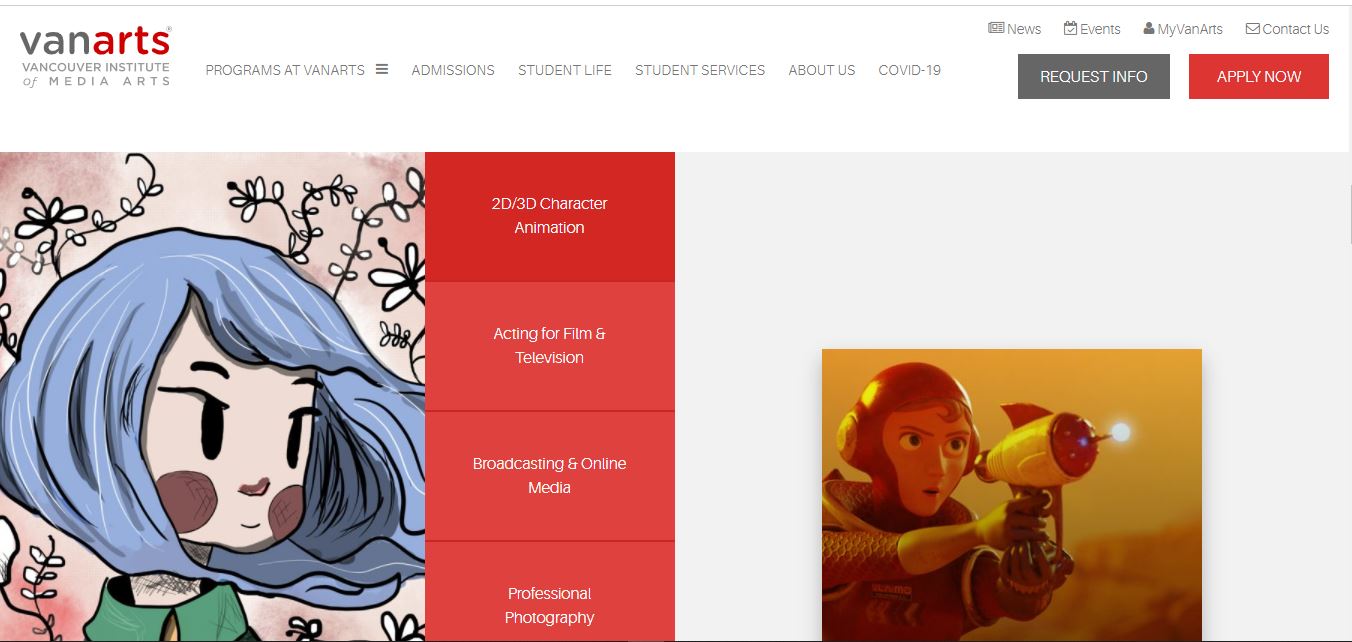
VanArts Expectations from Online Marketing initiative

Vanarts wanted to give new look to their website and that will help in acquiring new students, which will result in the increase in enrollment of students in the course.

They wished to highlight the best about their business; detailed information about the faculty and their work, amazing feedback from past students about the program, focus on career opportunities and career options, and overall exit value of the program. Creating a more impactful presence in securing local leads.

What was done?

The website was given a fresh look and feel, and major emphasis was on the UX & UI (user experience & User Interface) & mobility (i.e. making the website responsive, as almost 80% of the visitors on the website were coming from Mobile devices, Data was captured from Google analytics)

Each course content was given a better structure and highlighted the student’s work prominently.

Utmost care was taken in migrating the website, keeping in mind the Page authority & domain authority is not lost during the process. Also, a fresh strategy was defined for SEO, putting relevant Tracking code using Google tracking manager & other social media elements and conversion pixel codes on the website

Lead Acquisition Challenge

The major challenge was to get lower CPA & CPC costs than expected in local markets, competing against Vancouver Film School and the Art Institute. While search campaigns targeting India performed especially well, VanArts wanted to also increase applications from local students due to immigration issues with international students. To focus on reaching potential students in BC and Alberta, remarketing list search ads (RLSA), as well as local remarketing display banners were done. In addition, also did a custom content piece on The Daily Hive, a native advertising format that garnered great results.

In terms of Analytics, implemented a strategy and performed a restructure of the whole account. Prior to engagement, the Analytics setup was only tracking total leads and total applications at a very high level. custom reports were created to monitor progress throughout the enrollment year and pinpoint opportunities.

Outcomes & KPI’s defined for this

VanArts got a new website and fresh leads to accompany it; year-over-year, leads increased nearly 60%, and they spent more time on the site due to streamlined, informative content. Custom Analytics provides valuable intel for continually optimizing conversion points.

  • Total leads: 60% YOY increase
  • Total applications: 25% YOY increase
  • Average time on site: 2:30 (vs. 2:13)
  • Average pages/session: 2.51 (vs. 2.29)

Sports marketing case study

mountain equipment company

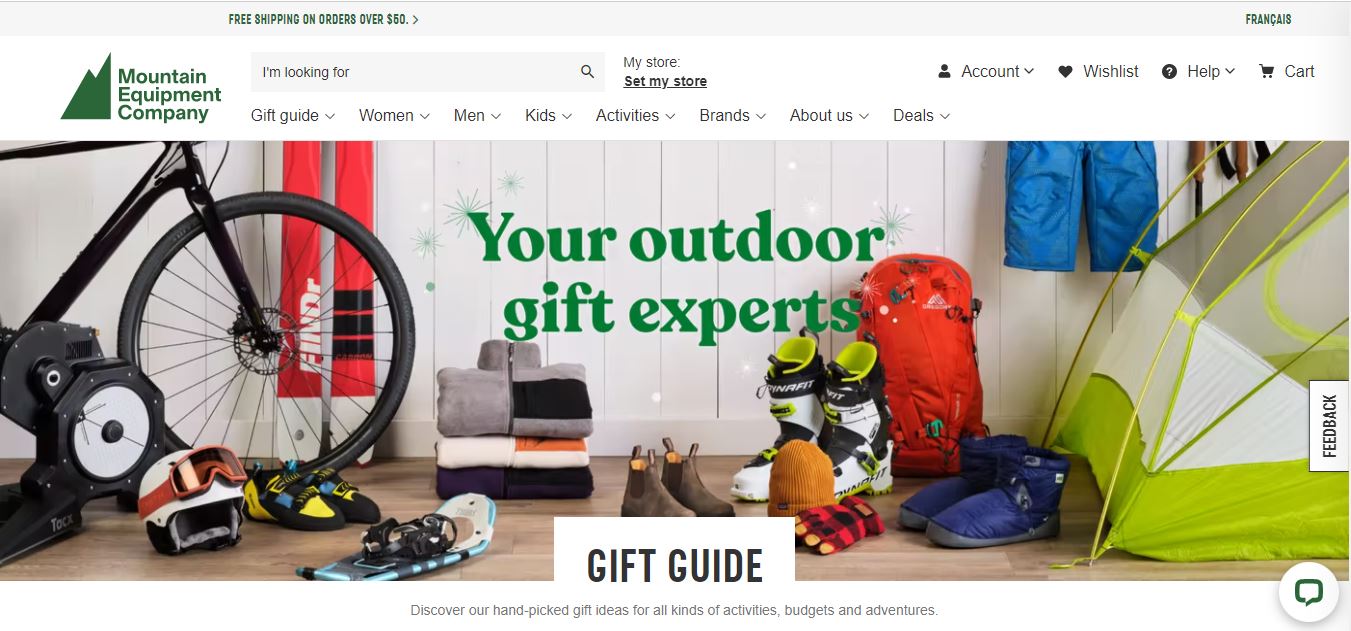
Digital Marketing Case study – Mountain equipment company based in Canada, a leading retailer of outdoor sportswear, specialized gears, and active lifestyle services.

Vision from Digital Marketing Case Study

MEC wishes to become one of the most popular online e-commerce stores for sportswear products, wishes to give an improved online shopping experience for their members.

Sportswear products are a seasonal business and it was challenging for MEC   found it difficult to cater their Google AdWords account to the seasonality and fast product demand changes.

Current Challenges

Existing PPC campaign had few challenges.

The account lacked proper structure; they couldn’t quickly identify which items were selling, and ad groups weren’t tightly themed. This caused MEC’s cost-per-click to be higher than desirable.

Campaign Structure was rebuilt

Keywords and ad copy were refined to become more relevant to one another, while irrelevant keywords were cut out.

Ad groups were tightly-themed, making it easier to quickly react to seasonal product demand changes. Optimized keywords were added to suggest related products to consumers.

The Result

Every 1$ spend they started making $17

Best AI tools for digital marketing

Best 11 Artificial Intelligence Machine Learning (AIML) in Digital and Social Media Marketing

Artificial Intelligence Machine Learning (AIML) in Digital and Social Media Marketing

What is Artificial Intelligence (AI)?

Artificial intelligence (AI) refers to the imitation of human intelligence in machines designed to think like humans and imitate their actions. The term can also be applied to any machine that displays features that resonate with the human mind such as learning and solving problems.

What is Artificial Intelligence (AI) in digital marketing?

Artificial Intelligence (AI) in marketing uses automated decision-making technology based on data collection, data analysis, and additional audience views or economic trends that may affect marketing efforts.

Artificial Intelligence (AI) is often used for marketing efforts when speed is important. Artificial Intelligence (AI) tools use customer information and profiles to learn how to communicate effectively with customers, and then deliver timely messages without the intervention of members of the marketing team, ensuring perfect efficiency.

For many of today’s markets, Artificial Intelligence (AI) is used to grow marketing teams or to perform many strategic tasks that require minimal human processing. Strategyworks is a having full fledged course in Digital Marketing with internship which includes the learning of some important tools like Google Ads, Facebook Ads which uses Artificial Intelligence and machine learning in Digital Marketing & social media marketing

Some use cases on how Artificial Intelligence (AI) is used in marketing?:

  • Data analysis
  • Natural language processing
  • Media buying
  • Automated decision making
  • Content generation
  • Real-time personalization

How to use Artificial Intelligence (AI) in digital marketing?

Artificial Intelligence (AI) is transforming many industries. From finance to technology, retail, hospitality everywhere. Artificial Intelligence (AI) changes the way brands do business. For digital marketers, it changes the way they connect products with their audience.

Computers and computer programs work as people with tasks such as voice recognition, visual acuity, translation and decision-making, which previously required human ingenuity. Now, artificial intelligence can accomplish those tasks independently.

Use cases of using Artificial Intelligence (AI) in Digital Marketing;

  • Use of ChatBots: Artificial Intelligence (AI) transforms customer-focused services for digital marketers by increasing efficiency and improving user experience. These chat bots can work 24 hours.

Personalised Content: Artificial Intelligence (AI) in digital advertising to customise the content a user sees while browsing a website. With the help of artificial intelligence, machines can track spending habits and record what you like.

Thereafter, Artificial Intelligence (AI) can use that information to market users of similar products that they may be interested in. This process will help to differentiate your audience domains and drive sales with customised content. Both of these examples show how Artificial Intelligence (AI)  in digital marketing is transforming space by helping brands increase productivity and revenue by creating automated tasks that required human performance and ingenuity.

How is Artificial Intelligence (AI) used in advertising?

Companies that serve ads, such as large social media platforms, use Artificial Intelligence (AI) to monitor ad usage, marketing, tracking, and customer behaviour. These companies use Artificial Intelligence (AI) to further enhance the ads placed on their network.

Artificial Intelligence (AI) transforms the possibilities in the world of advertising at all levels, from ad creation to targeted audiences to buying ads.

 Today Artificial Intelligence (AI)  is used heavily in advertising, Using Artificial Intelligence (AI)  tools to target and differentiate audiences intelligently, build ad art, differentiate testing, improve performance, and improve spend – automatically, in real time, and on a scale.

How does social media use Artificial Intelligence (AI) for advertising?

  • Rewrite and Test Ads: One of the great use of AI tool is that it automatically writes lines for email topics better than humans – and the same AI-powered functionality has now been adapted to automatically write Facebook ads and push notifications.
  • Identify and convert audiences: Artificial intelligence will not just write ads. It will also show you exactly which audience you should target – and how you can convince them to act according to your ad messages.
  • Get new audiences. AI tools apart from writing ad copy, it also helps in the process of gaining a new audience for your products and services — based entirely on what the program is learning from your advertising data.
  • Get more conversions for less. Adobe Advertising Cloud is an essential platform that integrates advertising data from digital and TV campaigns. As part of the platform, Adobe Sensei, the company’s AI product, offers “predictions on how to get the highest conversion rate at the lowest possible cost,” according to the company’s website.
  • Get more views on your ads. GumGum uses powerful computer-based AI technology to scan images, videos, and content across the web. After that, it uses the information from that analysis to help your brand-based ads where consumers are more likely to pay attention.
  • Improve Ad Budgets: Money empowers your advertising, but technology can help you make the best use of it. Today, artificial intelligence can add budgets in real time or near real-time, to all channels, faster and better than people.
  • Monetise media types. Lucy, an AI assistant from Equals 3, uses predictive and predictive models to show how well the news system will work. The tool then offers redistribution strategies to ensure that each dollar plays its role in your advertising.

What are the main applications of Artificial Intelligence (AI)?

Artificial intelligence today is not just a theory. In fact, it has many applications that work. A 2016 Gartner study shows that by 2020, at least 30% of companies worldwide will use AI in at least one segment of their marketing processes. Today businesses around the world are using artificial intelligence to make their process more efficient and profitable. We have reached out to some industry experts to share their views on the use of artificial intelligence. Here is the information we received:

  • Conversations: Artificial intelligence continues to be a hot topic in the technology space and expands its start in other areas such as health care, business and gaming. AI-sponsored discussions in businesses will also see an influx of people more relaxed about how AI can actually help businesses compared to, say, taking over their jobs. From an analytical perspective, AI can be embedded in social media to change how they receive and understand data.

Chatbots, in particular, are always present, delivering smart and flexible analytics for conversations on mobile devices using standard messaging tools and voice communication sites This greatly reduces the time to collect data for all business users, thus speeding up business speed and ease of use analysts. their time, preparing companies for the growing needs of future data.

  • eCommerce: Artificial Intelligence technology provides competitive limits to commerce businesses and is readily available to companies of any size or budget. Using machine learning, AI software automatically tags, edits and visually scans content by labeling image or video features.

AI enables consumers to find compatible products regardless of size, color, shape, or brand. AI viewing capabilities improve every year. By first detecting visual cues from uploaded images, the software can effectively assist the customer in finding the desired product. Many e-commerce marketers are already becoming more sophisticated with their AI capabilities, and is expected to grow in the future.

  • AI to Promote Workplace Communication: Artificial Intelligence will help businesses improve internal and external communication by enabling individual customisation for each professional, allowing for improved focus and increased productivity.
  • Human Resource Management: HR is likely to be one of the first business areas to benefit from AI for two simple reasons. Firstly there are tons of high-level data in HR, and secondly, HR is part of any very important company but feels the pressure of time.

If the aspects of the recruitment and HR work are automatic, HR employees may have the freedom to work directly with business or employees, using the personal time required by the HR department.

Artificial Intelligence will basically take out all the “worst” stuff for all HR employees (daily check-ups, time-consuming paperwork, and annoying data entry) as well as delivering powerful and insightful tools is a bonus to improving their performance. Automatic production of high-quality HR data and incredible AI benefits make it one of the first places to experience the fourth industrial revolution.

  • AI in health: In the coming year, and especially in the next five to ten years, artificial intelligence will have a huge impact on the healthcare industry and the way healthcare-related companies use AI.

AI presents opportunities to apply our data collection to patients and to innovate clinics to improve patient outcomes on a much larger scale. AI improves reliability, prediction, and compliance with patient quality and safety. AI, as used in software, is used as a decision-making tool, but it should not have free domination without human interaction and guidance. While it will not replace doctors and nurses, it can make them more efficient, efficient and happy at work as it removes the burden of understanding on our providers – which increases confidence and reduces stress and anxiety.

  • Internal Security Intelligence: In terms of cyber security, Artificial Intelligence is making great strides. Although AI is considered to be at the forefront of cyber security and can effectively address all issues, it is effective in protecting data. AI allows companies to identify user weaknesses or negative behaviour in business systems such as ERP or financial systems.
  • Artificial Intelligence in Logistics and Supply Chain: Combined with customer data and statistics, physical implants eliminate conflicts of customer experience. Artificial intelligence enables businesses to work on consumer information to drive improvements in operations.
  • Sports Betting Industry: In its article Sports Trading and AI: Gambling Insider, “As sports science analysis changes the way coaches, coaches, and clubs play their games, greater analysis of sports events helps opportunities for database operators to check potential event permits. each sport, increase the accuracy of the goal and thus make the next determination easier. ”

Human marketers cannot compete with artificial intelligence when it comes to analyzing large amounts of data. With AI we can perform analysis of the vast amount of sports analysis data available to increase our accuracy when it comes to predicting future results. This proves fruitful especially in today’s betting market, where large numbers of games and betting types are offered to a growing betting community.

  • Simplified AI Manufacturing & production: For many clients when it comes to AI or Machine Learning, magic occurs when a large amount of data can be transmitted in milliseconds from a machine and process the data for a variety of information. This provides a realistic understanding that can help these customers reduce unproductive downtime, predict failures or build a “gold standard” that can be branded on all production lines.
  • Casinos / Hotels / Combined Recreation: AI can help hotels / casinos find parts of customers they may not realise exist. Which customers want stay near the lake, those who need three papers in the morning before they can face the day. Armed with this kind of information, hotels can understand what is most important to their guests at each level, enabling them to anticipate the needs of their guests before guests also get to know them.

In addition, hotels can understand the key features of their highly profitable customers and be aware of the following important ones in case they sign up for an online hotel booking system. The use of deep neural networks and image filters can analyze and analyze images, which can allow hoteliers to monitor images that provide the highest level of booking conversion per channel. AI can also be used to calculate tourist dynamic collections to create liquid separation in real time.

  • Sales: Online shopping creates rich data traits in terms of personal preferences, spending habits and popular individual consumer channels. Feeding these crumbs of digital bread on the AI-engine helps bring the chosen shopping trip to a wider audience. Automatic bots can create a healthy, seamless customer service experience, talking to the customer about their purchase history and interests.

On the marketing side, AI could bring that extra dash of compatible program advertising that has been waiting all these years. On the buyer’s side, AI helps create visual ads for website visitors who want to see it, while on the responding side, “bots manage to pay and pay for this transaction, giving marketers more time to focus on the big picture. With AI, customer service forecasting and marketing can be just around the corner. .

What are the best Artificial Intelligence (AI)  and Machine Learning (ML) tools for digital marketing?

  • Import.io : Import.io allows you to import data from any web page, even if the data you’re after is hidden behind login forms or other elements. You can then compile this data into spreadsheets, visualisations or machine learning algorithms. With this data on your side, you can do anything from competitor price research to analysing all of your customer reviews to pinpoint the most important areas for improvement.
  • X.ai: X.ai is a perfect example of how simple and effective artificial intelligence can be – a refreshing break from many platforms that try to do too much. With X you’re simply looking at an AI scheduler that genuinely makes arranging meetings and other appointments effortless.
  • Grammarly : Grammarly is another example of simple but effective AI – this time in the form of an intelligent proofreading tool. It’s not going to catch all of your writing errors but it’s an impressive piece of software and its integration with apps and browsers is incredible. It will flag up your typos as you write emails and blog posts in the browser and compile reports of your most common mistakes so you naturally become a better writer over time.
  • Uberflip: Now we’re venturing into a more complex collection of AI tools, starting with Uberflip – an advanced content personalization platform that helps you create unique experiences for each customer. Content personalisation remains one of the biggest challenges for brands and Uberflip makes it easier to execute at scale for enterprise brands with a large, diverse audience to work with.
  • Acrolinx: Before you can personalise content, you need to be able to create it and Acrolinx helps you create highly-effective content at scale. Acrolinx claims to be the only software platform that can “read” your content, thanks to its advanced artificial intelligence engine that assesses your content, grades it and guides you to creating better content.
  • Unmetric : Xia by Unmetric takes a different approach by helping you to analyse the content of other brands and discover new content ideas an opportunities. Xia will unlock the secrets of other brands’ content marketing success and point you in the direction of what kind of content should get similar results for your own business.
  • Cortex : Cortex also offers competitor content analysis but the focus here is on their social media efforts. Once you’ve analysed your rivals’ social efforts the platform will help you create better content for your own strategy, optimised for your target audiences with its AI insights. Next, Cortex will decide when the most effective time to publish your posts is and schedule everything for you as it continues to assess your competitors and unveil new insights.
  • BrightFunnel: Creating better content is going to help you generate more leads and a better quality of prospects but you still need to turn them into sales. This is where BrightFunnel wants to help by using its artificial intelligence to help you optimise your sales funnels, meaning you turn more of those hard-earned leads into easier-earned customers.
  • Cogito : Cogito is a real-time conversation analysis and guidance system that detects human signals in your customers’ speech and predicts what kind of reaction your sales and support teams should provide. The end goal is to empower your team with “emotional intelligence” so they know when to listen, when to take the lead and when to show empathy in interactions with your customers and leads.
  • Tact.ai : Tact.ai aims to fill the gap between human interactions with an AI sales assistant, so your sales teams can spend less time navigating inboxes and more time dealing with profitable leads. If you’ve ever found CRMs frustrating to use, you’ll be happy to hear Tact.ai is there to remove as much of the friction as possible. You can scan business cards to create new contacts, sync calls and meetings with Salesforce and handle just about everything from the mobile app.
  • ManyChat : With chatbots taking over more of the sales process for brands across every industry, the need to create bots on the fly is increasing. ManyChat makes it about as easy as it can be to create Facebook Messenger chatbots with the platform’s drag-and-drop builder. Forget about the coding implications of building a Facebook bot because ManyChat’s got you covered and it throws in some hefty analytics and automation features for good measure.
  • Chatfuel : Chatfuel also helps you create Facebook bots but there’s an even heavier emphasis on automating your inbox with this platform. The goal is to automate as much of the conversations with your clients, customers and leads as possible until handing them over to your team members at the crucial moment. The end result should be a sales process that’s able to handle a significantly large volume of customers without the cost of expanding your team.
  • Aizimov : Aizimov is an interesting piece of AI software that scribbles custom, personalised messages on your behalf. The platform scrapes information from the web (mostly form social media, news sources and financial transcripts) to create accurate emails and messages for each of your target audiences.
  • LivePerson : LivePerson takes artificial intelligence to the message apps your prospects are already using and creates a sales channel on the platforms they’re most comfortable with. Essentially, you’ve got AI-powered chatbots integrating with apps like WhatsApp, Line, Google Assistant and even your website – so you can have meaningful conversations wherever your prospects want to have them.
  • Optmyzr : Paid marketing has probably benefited from AI, machine learning and automation more than any other marketing strategy – purely because most of the workload involves crunching data, optimising settings and adjusting bids based on a variety of factors.

This is where technologies like automation and machine learning shine, which is why Optmyzr is such an impressive tool. In fairness, it doesn’t do anything you can’t script into Google Ads yourself (assuming you’ve got the programming skills) but it makes essentials like bid adjustments, keyword management, A/B testing and other optimisations simple – without the programming requirements.

  • Pathmatics : Pathmatics takes the opposite approach to Optmyzr and focuses on analysing the advertising performance of your competitors. It offers dedicated AI implementations for business, advertising agencies, publishers and ad tech firms – all designed to unveil new opportunities based on the best performers in your industry.
  • Cortex : Cortex by Retention Science is an AI email marketing platform that constantly optimises its own automation for better results. It refines your subject lines, discovers the best times to send emails to individual users, tracks user responses and then uses engagement data to create better campaigns all-year round.
  • Sensai : Sensai is an AI social marketing insights and recommendations platform that analyses the effectiveness of your social posts and guides you towards creating a strategy that hits bigger targets. The mobile app puts a social media expert in your pocket, powered by detailed analytics and data-driven recommendations that help you pinpoint what to post and when.
  • Slackla : Visual content is crucial to just about any social media marketing campaign and Stackla helps you discover user-generated content (UGC) and turn it into content that really engages with people. Instead of creating corporate videos and images that reek of sales pitches, Slackla’s algorithms discover the content your target audience is already creating – and other members of the same audience are engaging with – so you can cut in on the action.
  • GumGum : GumGum offers a number of AI-powered features for marketers, advertisers, sports brands and other niches. On the advertising side of things, it uses to AI to analyse the images as well as the content of pages so you can choose relevant sites to place your display ads. While Google Ads allows you to target sites topically, it’s difficult to guarantee your ad message doesn’t conflict with the content.
  • Emarsys : Emarsys is a fully-featured AI marketing system that promises to power your content, social, email, advertising and entire strategy with the latest technologies. We’re talking integrated personalisation across the board, sophisticated automations, predictive analytics and a single platform that streamlines your omnichannel marketing efforts.

How to increase the conversion rate on your website? Follow these 6 methods

6 ways to increase website conversion rates
Increase the conversion rate on your website

How to increase the conversion rate on your website?

So what do you do when you recently realized that your current conversion rates are below the industry average? I have six tips that will help you increase the conversion rate on your website.

  1. Reduce the information needed in the form

Especially in the B2B industry, entry forms have many chances that increase conflict and drive people away from filling them out. Since most of these forms are displayed only after you find your company, it is only natural that users may not want to give you their full name, phone number, address, annual income, or other details – but many B2B companies ask for all or most of this information.

Even in B2C, many companies can reduce conflict by removing the required fields to a blank space, which is usually just an email address. Chances are you are not swimming in the councils and customers right now, so you do not need to filter the indicators by making them jump to extra hoops.

  • Write a positive copy

Delete copy and standard landing page. Especially in B2B, I still see many sign-in pages and websites asking for email and other confidential information to exchange “joining a newsletter” or “getting an ebook.” People do not want to join your newsletter. They want the benefits of that brochure.

Get more art with your copy than the standard offer of “free trial” or “free consultation”. Communicating and providing creative ways is not as difficult as you think. The bar is low in the market.

  • Improve user information

The user experience of the page you want users to convert is a significant factor to increase the conversion rate on your website. If your forms are not accurate and if users have to spend a lot of time thinking about what they will do next, they may feel frustrated and overwhelmed, rather than changed. The user experience includes technical considerations.

If your website uploads too slowly, your users will leave before they can see all the content. Alexa SEO testing can help you quickly identify SEO technical issues that can provide a negative user experience and prevent conversions.

4. Better email for Lead Nurturing

Customer visits require different messages. If you have never heard of this product or your product, grab their attention by highlighting the benefits of your product rather than your brand name. In the same book, you should highlight your brand name in what is repeatedly featured on your product and who is already a loyal follower.

This difference in messaging creates different emotions and is designed for search purposes, all of which will improve the chances of your conversion. If you fail to organise the right messages to the right stage of the journey, achieving to increase the conversion rate on your webiste is less than right. Hope you won’t tend to focus on your offer when your topic and your main messages focus on an unfamiliar product or need that doesn’t fit well with theirs.

  • Include social proofs

Social evidence is a phrase that is thrown everywhere these days, even in pop culture. While the use of social evidence may seem obvious, common sense is not a normal process. Our agency has met many companies that know that public testimony is important, but they have never posted anything on their login or exit page – or on their website.

Adding social evidence to the page does not have to be a big temptation. You can add one expert quote, customer testimonials, a simple study of marketing cases, a reputable publication or a company you work with, a winning prize, or an average rating on a review site. Or, you can start with something as simple as a screenshot of your updates. Any social evidence can help give people the push they need to change. Add Google Reviews to your landing page

  • Intelligent A / B testing

Usually, your first landing page test will not change for the better. That is normal and expected. You should be aware that most of your conversion rate improvements may come from the many tests you run in order to improve your landing page over time as you edit your ad copy.

A common mistake is that a live landing page is not maintained due to other priorities. Regular reviews can give you important information and help you increase your page conversions.

By constantly splitting up to explore new variations of your page, you can further increase the conversion rate on your website over time. When you start, check out the important changes because you don’t know what works or doesn’t work. Small tweaks to the color of the buttons or font have little effect. Recommend to do A/B testing on Google Optimize

What is lead generation in digital marketing? Top 12 Proven ways for B2B leads generation

what is lead generation in digital marketing
Pirelli Digital Marketing Campaign Case Study image 3
Source Credit: https://images.app.goo.gl/d91pBocoMYZaGMFFA

what is lead in marketing?

A lead is a term used in sales to describe interaction with a possible customer, also known as a “prospect.” …… For some businesses, a “lead” is a contact who has already been identified as a potential customer, whilst for others, a “lead” is any sales contact.

What are types of lead generation?

Outbound lead generation (cold calls, direct mail, advertising, and e-mail marketing) and inbound lead generation (cold calls, direct mail, advertising, and e-mail marketing) are the two basic types of lead generating (SEO, social media, PPC)

What is the difference between a lead and a qualified lead?

Anyone who has interacted with your company is referred to as a lead. They might or might not become a client. Anyone who has passed qualifying criteria to determine their quality as a lead, their fit as a customer, and their readiness to buy is referred to as a qualified lead. Leads eventually turn into opportunities, which turn into customers.

Is Lead generation part of Digital Marketing?

Yes, lead generation is part of Digital marketing. Lead generation is divided into marketing activities that correlate to stages of the buyer’s journey, beginning with traffic generation, then converting visitors to leads, and finally converting leads to customers.

What is lead generation strategy?

A lead generation strategy includes techniques for attracting and converting interested prospects into leads. A lead is a prospective consumer who has expressed interest in your brand by taking action. They’ve given you their contact information or hinted that they’d like to do business with you in some way.

There are four components to both B2C and B2B lead generation methods.

  • Lead capture is a method of gathering information from a lead. The lead’s name and contact information, as well as pertinent qualifying details about them or their company, may be included in the data (e.g., business name, position, number of employees).
  • Lead magnets are incentives that encourage potential customers to become new leads.
  • Lead qualification is a method of determining how probable a lead is to buy based on the information provided by the lead.
  • Segmenting leads based on their information, habits, and behaviours is known as lead segmentation (e.g., job title, lead magnet that attracted them, pages they visited on your website).

What is lead generation in SEO?

Search Engine Optimization (SEO) is a term that refers to the process of optimizing Search engine optimization (SEO) is developing material that responds to questions posed by search engines such as Google, Bing, Yahoo, and others.

It will assure the visibility of your website and its content on search engine results pages if implemented appropriately.

It’s an all-encompassing term that refers to everything from link-building and social media marketing to having keywords placed in your website that will notify search engines.

Here are some basic strategies for generating leads using SEO.

  • Create and Optimize Local Business listing
  • Optimize Your Homepage and Inner Content.
  • Create an active blog and optimise your blog posts…. 
  • Guest posting
  • Use Alt Tags in your images.
  • Increase the speed of your website.
  • Use social media to your advantage.

How to generate leads for B2B businesses with online media?

To increase B2B sales, we need a solid lead-generating strategy. This brings the marketing and sales teams together and provides salespeople with a tried-and-true framework to follow.

B2B lead generation, as we all know, is the process through which sales and marketing teams convert prospects into paying clients. But what exactly are these steps?

  • Step 1: Identifying B2B prospects

Finding the contact information of potential buyers is the first step in creating B2B leads. This data is frequently gathered in-house, developed by a third-party “lead gen” firm, or purchased from a lead database (not advisable for B2B lead generation).

  • Step 2: Contacting potential leads

Sales Reps contact prospects via cold outreach, social media, or answering to queries with a list of (hopefully) high-quality leads.

  • Step 3 : Qualifying and prospecting high-quality leads

Sales Reps assess how probable leads are to buy when communicating with them.

They’ll do it by determining where leads are in the buying process. 

These stages are as follows:

  1.  
    1. Customer awareness and research: The customer is aware of a solution they require or an issue they are experiencing, and they are beginning to learn more about it.They will devour materials such as blogs, whitepapers, and case studies at this point.
    1. Consideration: The lead is aware of the precise service/product required. He or she will now go over their precise requirements in detail before conducting research and “opening up” to vendors.
    1. Purchase: After narrowing down vendors who best match their criteria, the buyer will have many meetings and check-ins with other decision-makers in order to finalise a purchase. Reps will start nurturing campaigns or focus on getting the prospect to schedule a call or demo depending on where they are in the sales cycle.
  2. Step 4: Bringing leads to a close Achievement! After several meetings with various vendors, the prospect chooses you and the sale is completed. They’ll be moved to customer success for on boarding.

Ways to Generate Leads

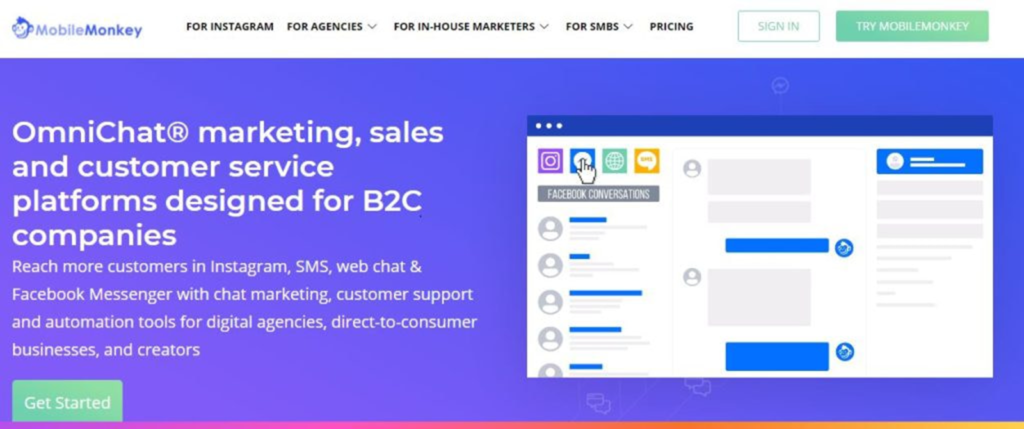
1. Implement Chat-bot

Chatbots have the potential to generate a lot of leads. Because chatbots are available 24 hours a day, 7 days a week, the technology is ideal for establishing rapport with prospects. Set them up to reflect your brand’s personality so they may act as automatic marketing and sales agents.

chat bot for lead generation

2. Using Lead Magnets- Using gated content

Online content that is only accessible once a user fills out a form is known as gated content. The content is “locked,” unlike regular blog entries or landing pages. To access the content, visitors must first fill out a lead capture form.

This lead generation technique works because it provides free value to the audience while attracting high-quality leads who are interested in themes relating to your brand or offers. The following items are frequently found in gated content assets:

  • White papers
  • E-books are electronic books
  • Reports on Guides
  • Worksheets for Courses
  • Online resources

3. Using Marketing Automation: Lead Nurturing series

Making a must-read newsletter that encourages interested prospects to engage and remain in touch with your brand is another method to use the content as a lead magnet. This allows you to stay top of mind with consumers while also sharing product and service offerings that can move prospects farther down the purchase funnel. The following items could be included in your newsletter:

  • New blog entries
  • Information regarding your products or services will be sent to you on a regular basis.
  • Offers that are unique
  • Events to look forward to
  • Other thought leaders’ suggested reading

4. Host Events Online

Online and offline lead generation tactics are also possible. To attract and service your target market, host an in-person or online event and capture their contact information through event registration. Use live events to communicate with consumers in real-time, answering questions, responding to concerns, learning more about your audience, and actively guiding prospects through the sales funnel. Consider the following event possibilities:

5. Use Coupon & Discount

Offer a voucher or discount as a lead magnet to convert prospects who are interested in your products and services. This draws in both long-term and short-term prospects. In the long run, you’ve attracted someone who wants to purchase from your company. You can swiftly convert bottom-of-funnel prospects who are ready to buy into customers in the short term.

6. Free Trial 

Offer a voucher or discount as a lead magnet to convert prospects who are interested in your products and services. This draws in both long-term and short-term prospects. In the long run, you’ve attracted someone who wants to purchase from your company. You can swiftly convert bottom-of-funnel prospects who are ready to buy into customers in the short term.

7. Optimize Your Website for Lead Magnet Promotion

Make sure website visitors can simply access your lead magnet to create more leads. Create on-site funnels that segment your audience and direct them to the lead magnet that most closely matches their requirements and interests. This can be accomplished by distributing lead magnets throughout your website.

  • It should lead to the main homepage call to action.
  • At the end of blog posts and pages, promote relevant lead magnets.
  • Use a pop-up to generate leads.
  • Create a resource library with password-protected material.
  • Include a lead generation hello bar (that sits at the top or bottom of your site).
  • In the sidebar, promote your lead magnet.

8. To promote your lead magnet, optimise your social profiles.

Make sure your social media followers are aware of your important lead magnet. It should be prominently displayed on social media so that when consumers interact with you, they see your offer and the clear next step toward partnering with you.

On profile pages, use hero photographs to promote your lead magnet. Instead of sending consumers to your homepage, employ call-to-action buttons by including links in your lead magnet.

9. Keywords toward the top of the funnel should be targeted.

Create a plan to target the phrases they search for to attract interested prospects and push them to your lead magnets. Do keyword research to find terms that your ideal customers are looking for at the top of the sales funnel. Then, in a variety of methods, target those keywords.

  • Create evergreen content that is keyword-optimized.
  • Create an on-site blog strategy based on the keywords you want to target.
  • Pay-per-click marketing allows you to target specific words.
  • Guest blog on sites where the target phrases have a large share of speech.
  • You increase your chances of being on page one, make sure to follow SEO best practises. The more search visibility you have, the more interest and traffic you’ll get from potential customers.

10. Do Re marketing

Keep the faith if prospects don’t convert during their initial engagement with your brand. Retargeting allows you to reconnect with people who have shown interest in your brand but haven’t taken the next step.

Retargeting allows you to show advertising to people who interact with your brand’s website or social sites (through Google display or social advertisements). Because buyers may need to view your brand several times before converting, re-targeting is a smart approach to keep them moving down the sales funnel.

11. Design Referral Reward Program

Create a referral rewards program in which consumers are rewarded for bringing you leads in exchange for a benefit or discount. Customers respect and trust recommendations from their peers, so getting current customers to spread the word about your company can be an effective approach to fill your lead funnel.

Above mentioned strategies are tried and tested and surely deliver great results. do share your feedback.

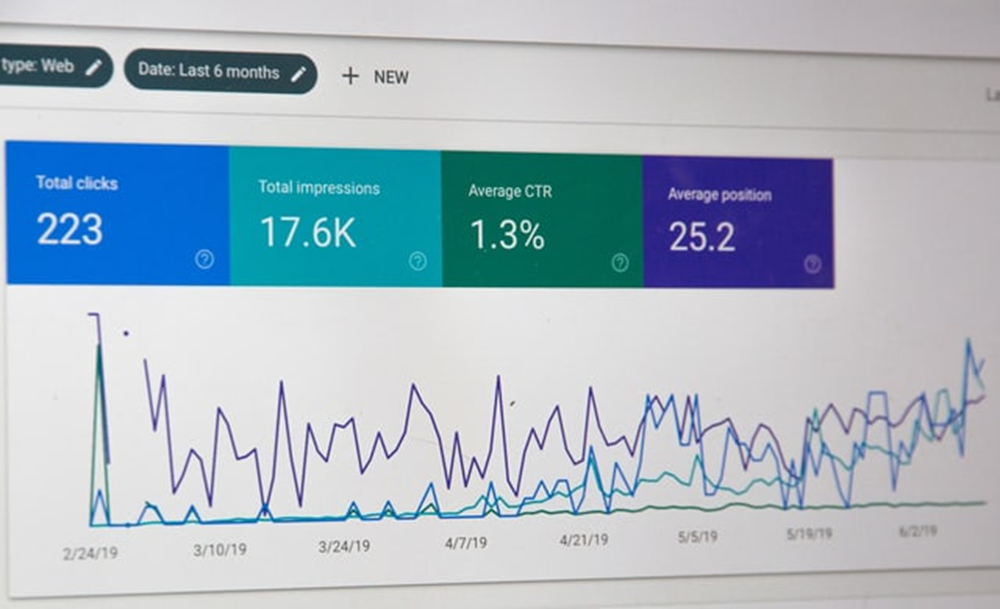
The Smart Guide to Social Media Analytics: Choosing Tools That Actually Drive Results

Digital Marketing Course in Marathahalli

social media analytics tools : Imagine posting content for months, seeing decent engagement, but having no idea if it’s actually growing your business. Sound familiar? You’re not alone. Most businesses collect social media metrics but struggle to turn them into actionable insights that drive real results.

Here’s the truth: The right analytics tool doesn’t just show you numbers—it reveals the story behind your social media success and gives you a clear roadmap for improvement.

The Hidden Cost of “Flying Blind” on Social Media

Without proper analytics, you’re essentially:

  • Wasting ad spend on audiences that don’t convert
  • Creating content in the dark without knowing what resonates
  • Missing opportunities to engage customers at peak moments
  • Unable to prove ROI to stakeholders or justify your marketing budget

The solution isn’t more data—it’s the right insights that lead to better decisions.

social media analytics tools

The 3-Tier Approach: Match Your Tool to Your Growth Stage

Tier 1: Foundation Stage (Free Tools That Matter)

Start Here If: You’re a solopreneur, small business, or just beginning to take social media seriously.

The Power Combo:

  • Native platform insights (Facebook, Instagram, LinkedIn built-in analytics) for accurate, real-time data
  • Google Analytics 4 to track which social platforms actually drive website traffic and conversions

Hidden Gem: Meta Business Suite automatically suggests your best posting times and shows you which competitor content is performing well—completely free intelligence most businesses ignore.

Reality Check: You’ll spend 2-3 hours weekly manually pulling reports, but you’ll save thousands compared to paid tools while building foundational knowledge.

Tier 2: Growth Stage (Smart Paid Solutions)

Upgrade When: You’re managing multiple accounts, need team collaboration, or social media drives significant business results.

The Sweet Spot Picks:

Agorapulse ($69/month) – The Team Player

  • Unified inbox handles all social messages in one place
  • Unlimited team members on most plans (huge cost saver)
  • Built-in competitor tracking shows you exactly what’s working in your industry
  • Why it matters: Reduces response time by 60% and eliminates the chaos of managing multiple platforms

Vista Social ($39/month) – The Overachiever

  • White-label reports for agencies
  • AI assistant for content creation
  • Includes review management and employee advocacy
  • Why it matters: Does the job of 3-4 separate tools at a fraction of the cost

Insider Tip: Both platforms offer 14-day free trials. Test them with your actual accounts to see which interface clicks with your team.

Tier 3: Scale Stage (Enterprise Powerhouses)

Go Premium When: You’re managing 10+ accounts, need advanced AI insights, or require custom integrations.

Sprout Social ($199/month) – The Analytics King

  • Cross-platform ROI tracking that connects social activity to revenue
  • Predictive analytics suggests optimal content strategies
  • Advanced social listening monitors brand mentions across the entire web

The Game-Changer Feature: Smart Inbox uses AI to prioritize messages by potential business impact, so you never miss high-value conversations.

Check: Complete SEO checklist

The Specialist Tools That Solve Specific Problems

Sometimes you need a scalpel, not a Swiss Army knife. These tools excel at one thing:

Brand24 ($99/month) – Brand Protection Specialist Monitors 25 million online sources for brand mentions with 95% sentiment accuracy. Catches reputation issues before they explode.

Rival IQ ($239/month) – Competitor Intelligence Reveals competitor ad spend, audience overlap, and content strategies. Shows you exactly what’s working in your industry so you can adapt faster.

Real Case Study: A client used Rival IQ to discover their competitor’s most engaging content types, adapted the strategy, and increased engagement by 340% in two months.

The 5-Minute Decision Framework

Step 1: Calculate Your Social Media Value If social drives less than 10% of your business, start with free tools. If it’s 20%+, paid tools pay for themselves.

Step 2: Identify Your Biggest Pain Point

  • Too much time on manual reporting? → Comprehensive platform
  • Poor engagement rates? → Competitor analysis tool
  • Missing customer messages? → Unified inbox solution
  • Brand reputation concerns? → Social listening specialist

Step 3: The “Goldilocks Test”

  • Too Simple: If you’re outgrowing the insights within 3 months
  • Too Complex: If your team isn’t using 60% of the features after 1 month
  • Just Right: Provides actionable insights you act on weekly

The AI Advantage: What’s Actually Useful

Skip the hype. Here’s what AI features actually improve your results:

Sentiment Analysis: Automatically flags negative conversations for immediate response Optimal Timing: Predicts when your specific audience is most likely to engage Content Suggestions: Recommends topics based on trending conversations in your industry Anomaly Detection: Alerts you when performance suddenly changes (good or bad)

Check: The best Free Ai tools

3 Mistakes That Waste Money on Analytics Tools

Mistake 1: Choosing based on features instead of outcomes Solution: Start with your biggest business challenge, then find the tool that solves it.

Mistake 2: Not connecting social metrics to business results Solution: Always track how social activity impacts website traffic, leads, and sales.

Mistake 3: Analysis paralysis from too much data Solution: Focus on 3-5 key metrics that directly impact your goals.

Your Next Steps

This Week:

  1. Audit your current analytics setup—are you actually using the data you collect?
  2. Identify your biggest social media challenge that analytics could solve
  3. Start a free trial of one tool that addresses that specific challenge

This Month: Test your chosen tool with real campaigns and measure if it’s actually improving your decision-making and results.

Pro Tip: The best analytics tool is the one that changes how you create and optimize content, not just how you report on it.

The Bottom Line:Social media analytics tools

Your social media analytics tool should pay for itself by helping you create better content, engage more effectively, and prove clear business value. If it’s just generating pretty reports that sit in your inbox, you’re using the wrong tool.

Remember: Perfect data is less valuable than good insights that drive immediate action. Choose the tool that helps your team make smarter decisions tomorrow, not the one with the most impressive feature list.

Ready to turn your social media data into business growth? Start with one tool, focus on one key insight, and take one action that moves the needle. Everything else is just noise.

Strategyworks Chatbotx
Chatbot